
Mem Reduct vs CleanMem – Compare Features and Find the Best Fit
Frustrated with a slow computer when you need it most and want an easy, affordable way to keep it running smoothly?
Today, we’re diving into the world of memory management tools, specifically comparing two popular options: Mem Reduct vs CleanMem. These tools promise to free up your RAM and boost your system’s performance, but which one does the job better? Stick around, and I’ll share my personal experiences and insights to help you decide which tool might be your computer’s new best friend.
Understanding the Tools
To figure out which tool might be the right fit for your needs, it’s important to understand what each one brings to the table. Both Mem Reduct vs CleanMem are designed to help manage and optimize your computer’s memory, but they go about it in different ways.
Mem Reduct
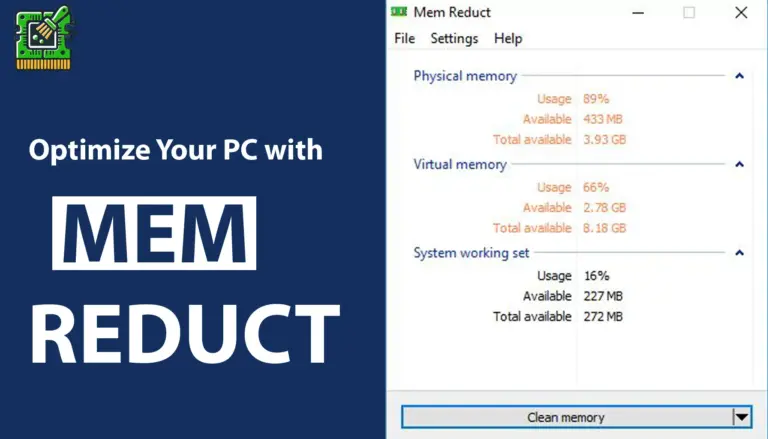
Mem Reduct is all about simplicity. When I first tried it, I was struck by how easy it was to use. The tool doesn’t require much setup, and it’s incredibly lightweight, which means it won’t bog down your system while it’s working.
CleanMem

On the other hand, CleanMem offers a bit more complexity. It’s designed for users who want a more automated solution. CleanMem runs quietly in the background, freeing up memory at scheduled intervals. It’s a tool I found particularly useful on systems that are used for more intensive tasks.
Feature Comparison

Navigating the features of both Mem Reduct vs CleanMem made me realize just how different two tools with the same goal can be. Let’s break down what sets them apart in key areas like interface, automation, resource usage, memory optimization, and customization. This comparison will clarify what each tool offers, assisting you in finding the right fit for your computer’s needs.
Interface and Usability
Mem Reduct sports a straightforward interface that I found refreshing. It’s user-friendly, even for those not familiar with technology. On a lazy Sunday afternoon, I managed to get it up and running in no time, and it felt like the tool did most of the work for me.
CleanMem, though, takes a different approach. It offers a more detailed interface, which is great for those who like to tweak settings to their liking. This tool demands a bit more from its users but provides richer functionality in return.
Automation and Scheduling
Automation is where CleanMem shines. It allows for setting up detailed schedules to clean your system’s memory automatically. This feature was a lifesaver for me during busy workdays when every minute counts.
Mem Reduct, while simpler, requires manual intervention. It lacks comprehensive automation, requiring you to remember to run it from time to time.
Resource Consumption
Resource efficiency is critical, especially for older machines. Mem Reduct uses minimal system resources, which I noticed kept my aging laptop running smoothly without any additional stress.
In contrast, CleanMem, while being slightly more resource-intensive, compensates with its robust features that manage memory more aggressively, leading to noticeable performance improvements.
Memory Optimization Process
The core functionality of both tools lies in how they manage memory. Mem Reduct performs a basic cleanup that helps maintain performance without much fuss. It’s simple and effective, requiring minimal input.
CleanMem, on the other hand, takes a more aggressive approach. It actively monitors and optimizes memory usage in real-time, which I found delivers more dramatic improvements in system responsiveness.
Customization and Control
For those who prefer to tailor their tools, CleanMem provides extensive customization options. It lets you adjust how and when your memory is managed, which can be crucial for power users.
Mem Reduct keeps things simpler, with fewer options for customization but a much easier setup. This makes it ideal for users who prefer a more hands-off approach and just want their tool to work without having to fiddle with settings.
Performance Analysis

Delving into how Mem Reduct vs. CleanMem performs under pressure provided some intriguing insights. By examining benchmarking results and user feedback, I could see the tangible differences in how these tools impact system efficiency. Let’s explore these aspects to understand which tool might elevate your computer’s performance.
Benchmarking Results
My testing involved running both tools on my home PC. Mem Reduct maintained a stable performance, subtly enhancing system responsiveness. CleanMem, however, stood out by significantly reducing memory usage during intensive tasks like video editing, demonstrating its prowess in high-demand situations.
User Experiences and Feedback
Browsing through forums and review sites, I noticed a trend. Users often praised Mem Reduct for its ease of use and effectiveness in everyday scenarios. CleanMem reviewers, however, highlighted its reliability in more rigorous environments, appreciating its detailed automation features.
This feedback aligns with my experiences, suggesting CleanMem might be better suited for power users or those with more demanding computing needs.
Specific Use Cases
Understanding the practical applications of Mem Reduct vs CleanMem helped me tailor their uses to specific scenarios. Here’s how each tool excels in different environments based on my experiences and the needs it caters to.
Mem Reduct
For casual users like myself, Mem Reduct is a no-brainer. It’s perfect for day-to-day use on my personal laptop, where I do everything from browsing the web to streaming movies. It keeps things running smoothly without any complicated setup.
CleanMem
CleanMem, however, is my go-to for my work setup, where I handle more demanding software. Its robust features support a heavy load, ensuring that my workstations operate efficiently, even under stress.
Scenario-Based Recommendations
For anyone with a basic setup, I’d recommend Memory Reduct for its simplicity and effectiveness. But if you’re managing a busy office or using resource-intensive applications, CleanMem’s detailed control and optimization features make it the better choice. This approach allows you to match the memory management tool to your specific needs, maximizing both performance and usability.
Pros and Cons
Evaluating the advantages and drawbacks of Mem Reduct vs CleanMem offers a clearer picture of which tool might better suit your needs. Here’s a breakdown based on my hands-on experience with both tools.
Pros of Mem Reduct
Cons of Mem Reduct
Pros of CleanMem
Cons of CleanMem
Personal Review
After extensively testing both Mem Reduct and CleanMem, I’ve formed some personal opinions that might help you decide which tool is right for your system.
Mem Reduct
I have to say, Memreduct is my top recommendation, especially for those who want a straightforward, effective solution without any fuss. It’s incredibly easy to use and perfect for casual users or those who prefer not to mess with complicated settings. It consistently keeps my computer running smoothly, handling everyday tasks with ease. The fact that it’s free makes it even more appealing.
CleanMem
CleanMem is undoubtedly powerful and offers extensive customization, which is great for those who need more aggressive memory management. It’s perfect for workstations or servers that handle heavy loads. However, for most users, especially those with simpler needs or older hardware, Memory Reduct does the job beautifully without the complexity or resource demands of Clean Mem.
Frequently Asked Questions
Conclusion
Choosing between Mem Reduct and CleanMem depends on your particular needs and what your system can handle. For most everyday users seeking a simple, effective tool, Memory Reduct is my go-to recommendation. It ensures smooth operation without any fuss, making it a great option for keeping your computer in good shape.